Looking for the latest information on Covid 19 Wastewater Surveillance? We've researched comprehensive data, records, and insights about Covid 19 Wastewater Surveillance.
Important Facts
Explore the key sources for Covid 19 Wastewater Surveillance.
Developments
Stay updated on Covid 19 Wastewater Surveillance's latest milestones.
Dr. Laura Scott and Professor Tiong Aw: Wastewater Surveillance for COVID-19
Wastewater Monitoring for SARS-CoV-2 (COVID-19) RNA
Wastewater Surveillance for Detecting COVID-19
Wastewater Surveillance for Detecting COVID-19
How scientists hope to track Covid-19 through wastewater
How does COVID-19 wastewater surveillance work
Demystifying wastewater surveillance data for COVID-19 and other diseases
How scientists use wastewater to track COVID-19
How Flushing Your Toilet Can Track Polio, Covid, and So Much More
Using Wastewater Surveillance to Understand Infectious Disease Trends
COVID-19: Singapore to double wastewater surveillance sites by next year
Full Guide
Data is compiled from public records and verified media reports.
Last Updated: October 3, 2026
Final Thoughts
For 2026, Covid 19 Wastewater Surveillance remains one of the most searched-for information profiles. Check back for the latest updates.
Disclaimer: Disclaimer: All information is compiled from publicly available data, media reports, and analysis. Actual details may vary.
Summary
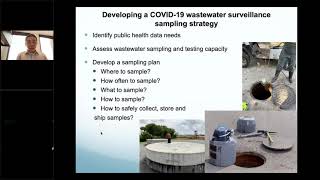
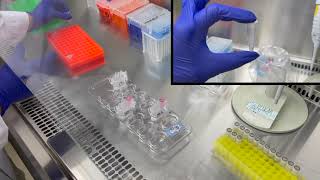
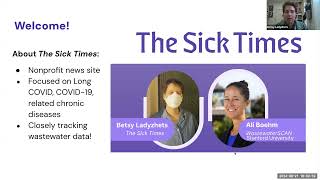
This video focuses on how partners, already studying AR in With support from In-Situ, California Lake Management Society hosted this free webinar on This technical video provides a high-level overview of the methods used to isolate and extract viral RNA from On August 10, The People's CDC hosted Marc Johnson as he presented on Could the key to tracking the spread of # Dr. David Kendrick explains how officials are working to identify clusters of infections without relying on people to get tested. Alexandria Boehm, WastewaterSCAN's principal investigator, participated in a virtual event with Betsy Ladyzhets, co-founder of ... 3 Building Bridges Across the Laboratory Community: Using